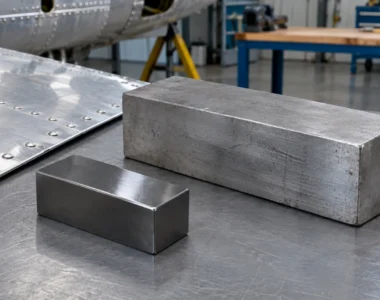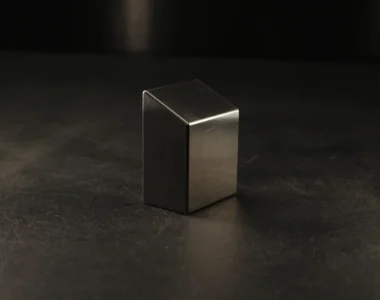
How many bucking bars do you need to build an airplane? One or two bars do most of the work: a general-purpose bar about 4 inches long and, for many builders, a shorter bar for rib flanges. Most kit builders still end up owning three or four by the end, because the plans add a special bar or a tight spot calls for an angled or low-profile shape. Builders on the forums report a single tungsten bar covering 90 to 99 percent of their rivets. Others disagree, so treat that as a planning range.
What Van’s lists
Van’s Aircraft publishes a list of recommended tools. Under specialty tools for the RV-7, RV-8, and RV-9 it names a bucking bar, either tungsten or multiple shapes, alongside a back rivet set, and a back rivet plate appears on the list too. The additions for the RV-10 and RV-14 include a special bar. Van’s calls the whole list a starting point and tells builders to talk to other builders and tool suppliers. So the manufacturer does not set a number. It offers two routes: one tungsten bar, or several steel shapes.
What builders report
The clearest data comes from builders counting their own rivets. In a Van’s Air Force thread asking which tungsten bar to buy, one builder used a single tungsten bar on probably 98 percent of the rivets on an RV-10, and another on about 99 percent. A third owns two tungsten bars and reaches for the larger one 90 percent of the time. A fourth splits the work about 50/50 between the bar most posters named and a 1 by 1 by 2 inch bar, which is easier to grip and keep flat on the tail. One builder asked whether a 4 inch bar is too long for rib flanges and was told its angled end clears them. Another in the same thread added a 2 by 1.5 inch bar expecting it to suit rib flanges better.
The dissent is real. In another thread a builder advises not getting enamored with tungsten. Some prefer heavier, physically larger steel bars, and one household’s lead bucker favors steel but keeps a small tungsten bar for the tight spots. An RV-10 tool list calls tungsten the primary bar and adds that you will need others too, including a bar for hard-to-reach places and one for back riveting. The honest count is one tungsten bar for the bulk of the work and a few shaped bars for the rest.
The volume matters too. One builder’s tally of the RV-14A plans came to about 20,500 rivets called out, not separated into solid and pulled. Even a fraction of that bucked by hand is thousands of repetitions with the same bar in your hand.
Bars you can skip, borrow, or make
Fewer shapes earn their place than you might expect. An RV-10 builder in Canada lists three bars for the whole build: a tungsten bar used 99.9 percent of the time, a steel bar with a foot for difficult spots, and a long steel bar for the elevators, which the builder says to get or borrow rather than try to do without. The same page adds that plenty of other shapes exist and they will sit in your toolbox unused. Van’s list names a special bar for the RV-10 and RV-14, so check your plans for which long or special bar your kit needs before you buy one.
Some builders skip the extra shapes altogether. One in the forum thread cuts custom shapes from steel plate and clamps them to the tungsten bar for odd spots. A Kitplanes shop-talk piece describes homemade steel bars cut from 1 inch cold-rolled stock with 3/16 inch reamed holes that hold dies, and prices the material at $8 for three bars.
Why one tungsten bar can cover so much
Bucking mass is the same in any metal, so the real difference is size. Tungsten heavy alloy is 2.2 to 2.4 times denser than steel, which puts the same weight into about 43 percent of the volume, as our tungsten versus steel comparison works out. TungstenParts covers the material properties that make builders reach for tungsten in detail. In a wing bay that compact size can let one bar reach spots that would otherwise need a second, specially shaped steel bar. It does not reach everywhere, which is why the count is more than one.
A buying order that matches a build
| Bar | Job | USA Tungsten bars |
|---|---|---|
| General-purpose, about 4 x 1 x 5/8 inch | Most skins and open ribs | ETBB19 (1.5 lb), ETBB13 (1.55 lb), ETBB34 (1.65 lb) |
| Same face with an angled end | Clearing flanges while keeping the 4 inch reach | ETBB15 (2.1 lb, 4 x 1 x 1) |
| Short bar, about 2 x 1.5 x 5/8 inch | Rib flanges and tight bays | ETBB03 (1.25 lb) |
| Angled and low-profile | Corners, returns, and thin gaps | ETBB02 (1.2 lb), ETBB38 (1 lb) |
| Long or special bar named in your plans | Jobs the plans single out, such as the RV-10 elevators | Check the plans, then get or borrow it; we make bars to drawing if you need a shape not in the catalog |
Buy the general-purpose bar first. One builder in the thread said they were glad to have made the investment early, and most of your rivets are the work that bar does. Add the short bar when you reach the rib flanges. The special bar your plans call for can wait until the plans call for it.
If you want one purchase, the RV starter kit pairs ETBB19 with the angled ETBB02 and the low-profile ETBB38, three bars at 3.7 pounds total. For the sizes by component, see our guide to bucking bars for an RV-14, and use the weight guide to match weight to rivet size. If you already know the Aircraft Tool Supply part number a friend recommended, the cross-reference maps it to the closest bar of ours. It lists the ATS6001 as an exact match for ETBB19, ETBB13, and ETBB34, and the ATS6007 angled-end bar as a close match for ETBB15.
Order ahead of the job. Most standard bars ship from stock, but if a bar is not in stock the standard lead time is 10 to 12 weeks, and there is no cart or list price, so you request a quote and the reply confirms pricing and availability.
Borrow before you buy
Plenty of builders try a tungsten bar before they own one. In the forum threads one builder uses a tungsten bar borrowed from a friend, and another has a long-term loan of someone else’s. A builder about to buy a first tungsten bar for the bottom wing skins asked which single bar to get, because at those prices they wanted to buy only one. If you can handle a friend’s bar for an afternoon, you will learn whether you want the 4 inch bar or something shorter before you spend anything.
Protect the skin, and the bar
A dense bar is heavy for its size, and one dropped inside a wing can dent the skin you are trying to set. Builders in the thread describe putting a thin pillow under the top skin in case the bar drops and tying a string lanyard to the bar. One suggests a tube sock with the toe cut out on the arm that reaches through lightening holes, so the edges do not scrape it. These cost almost nothing and are easier to add before the first wing is closed than after the first dent.
Common questions
How many bucking bars do I need to build an airplane?
Plan on one general-purpose bar and one shorter or angled bar to do most of the work, and expect to own three or four before you finish. Builders report one bar covering 90 to 99 percent of their rivets, so the extra bars are for specific spots.
Do I need a tungsten bucking bar to build a kit plane?
No. Van’s lists a bucking bar as tungsten or multiple shapes, so a set of steel bars also works. Tungsten packs the same weight into a smaller block, which is why many builders choose it as their main bar, though some builders prefer larger steel bars for open work.
Which bucking bar should I buy first?
A general-purpose bar about 4 inches long by 1 inch wide by 5/8 inch thick, because it does most of the work. Builders in the forums name that size most often.
How many bucking bars does an RV-14 need?
Most builders get through the kit with three or four bars: a general-purpose straight bar, a shaped bar for flanges and returns, and sometimes a lighter bar for extended 3/32 inch work. Van’s also lists a special bar for the RV-10 and RV-14.
Can I sell my bucking bars after the build?
Builders buy and sell used bars. One forum builder bought a used 4 inch tungsten bar from an RV-7A builder. Programs that buy tungsten scrap by weight are set up for production-sized lots, so a few bars are better passed to another builder.
Should I borrow a bucking bar before I buy one?
It is a common move. Builders in the forum threads use bars borrowed or loaned by friends, and trying one for an afternoon shows you which length and shape you would actually reach for.
Do I need a long steel bar for the elevators?
Some kits call for one. An RV-10 builder says to get or borrow a long steel bar for the elevators, and Van’s lists a special bar for the RV-10 and RV-14. Check your plans for the bar your kit needs.
Ready to pick your first bar? Use the Selector or request a quote on the RV starter kit.