What is an offset bucking bar, and when do you need one? An offset bar steps its working face away from the body, so the bar can back a rivet that sits beside a flange, along a raised edge, or down inside a step that a straight block would bottom out against. If a straight bar will not lie flat on the rivet tail because structure is in the way, and tilting it does not help, an offset is the next bar to try.
How an offset bar clears a flange
A straight bar works because its body and its face are in line. You push the face onto the tail and the block follows. Near a flange the body reaches the flange first, the face never seats square, and every blow of the gun pushes the shop head off center.
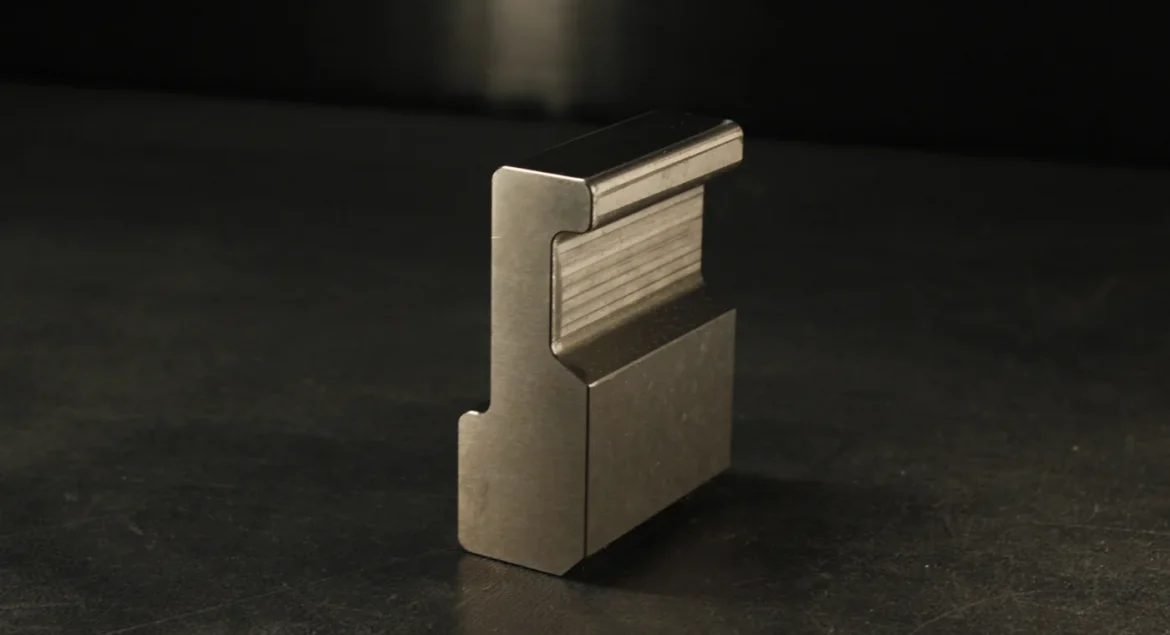
An offset bar gives up that straight line on purpose. The face sits to one side of the body, so the body passes the obstruction while the face lands flat on the tail. The cost is torque. With the face off the line of your grip, each blow tries to twist the bar, and a loose hold lets it rock. That is why a dry fit matters with an offset.
Three kinds of offset
The offset bars in our lineup split by how they get past the obstruction.
| Form | What it clears | Bars (weight) |
|---|---|---|
| C-channel | A raised edge or flange the bar straddles | ETBB06 (1.65 lb), ETBB11 (1.75 lb), ETBB27 (2.3 lb), ETBB48 (3.25 lb) |
| Stepped | A heel, shoulder, or recessed step | ETBB51 (2.05 lb), ETBB07 (2.85 lb), ETBB50 (3.85 lb), ETBB47 (5.05 lb) |
| Z-crank | A double step | ETBB08 (6.0 lb) |
Use a C-channel when the rivets run along the flange itself. Use a stepped bar when the rivet sits beside a heel or down in a recess. Use the Z-crank when the structure steps twice before it reaches the rivet.
Picking the weight and the size
Weight follows the rivet, not the shape. The bucking bar weight guide gives a starting weight for each rivet diameter, and the Selector turns that into a bar. Our offsets run from 1.65 pounds to 6 pounds, so the range covers light skin work and heavy structure.
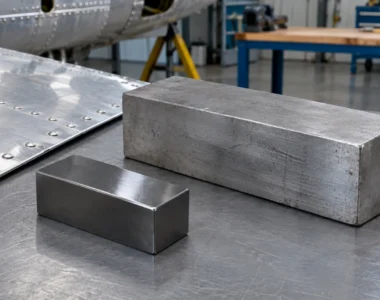
Check the envelope as well as the weight. A channel or step is cut out of a block, so an offset takes more room than a straight bar of the same weight. ETBB06 and the straight ETBB01 both weigh 1.65 pounds. ETBB01 is a 4 by 1 by 0.625 inch block, 2.5 cubic inches. ETBB06 needs a 2.5 by 1.25 by 1 inch envelope, about 3.1 cubic inches, which means roughly a fifth of that envelope is the channel itself. In tight structure that extra room counts. We class ETBB06, ETBB11, ETBB27, ETBB51, and ETBB07 as tight or confined access, so check their envelopes against your gap.
Cutting a channel removes metal, so the metal left behind has to be dense to keep the weight in a bar small enough to use. That is why these bars are tungsten, and tungsten’s wider role in aircraft assembly goes well beyond bucking bars.
Using an offset bar without marking the work
Seat the bar on the rivet tail before anyone pulls the trigger. The face should lie flat with the rivet standing square. If the bar touches on one edge only, it will rock under the gun. Hold it firmly, and where the channel or step can bear against the structure, let it. Then check the first shop head like any other: at least 1.5 rivet diameters wide and at least half a diameter tall. The step-by-step bucking guide covers the measurement and the air pressure routine.
Offset bucking bar or offset rivet set?
The names overlap, so it helps to separate them. The rivet set is the tool in the gun. The bucking bar is the block behind the rivet. EAA’s rivet gun notes mention offset, or curved, rivet sets for reaching rivets in corners where a straight set will not fit. That is a gun-side tool. An offset bucking bar works from the other side of the skin, and a tight job can call for both.
When another shape is the better call
Our guide to which bucking bar shape reaches that rivet sends a rivet beside a flange to an angled bar, and that holds whenever you can tilt the bar toward the rivet. Reach for an offset when tilting will not work because the rivet sits in a recess or along the raised edge itself. A hook bar goes further, curving around an edge to rivets set well back in a channel, and a low-profile bar fits thin gaps where thickness is the limit. If no standard geometry clears your flange, we make bars to drawing.
Common questions
What is an offset bucking bar?
A bucking bar whose working face is stepped or channeled away from the body, so it can back a rivet beside a flange, along a raised edge, or inside a step that a straight bar cannot reach flat.
When should I use an offset bucking bar instead of an angled one?
Use an angled bar when you can tilt it toward the rivet. Use an offset when the body of the bar is blocked by a flange, heel, or step, and tilting would not get the face flat on the tail.
How heavy should an offset bucking bar be?
Weight follows rivet diameter, not shape. Choose the weight from the rivet size, then choose the offset form that fits the access. Our offset bars run from 1.65 to 6 pounds.
What is the difference between an offset and a hook bucking bar?
An offset bar steps its face past an obstruction right at the rivet. A hook bar curves around an edge or into a channel to reach a rivet set well back.
Can I get an offset bar made to fit my flange?
Yes. Send a drawing, a sample, or the dimensions and weight you need, and we quote a tungsten bar to match.
Ready to pick one? Browse all offset bucking bars or use the Selector to match a weight to your rivet size.