Bucking Bar Weight by Rivet Size: A Quick Lookup for AN470 and AN426 Rivets
For most solid aluminum aircraft rivets, a good starting point is about 2 pounds of bucking bar for a 3/32 inch rivet and about 3 pounds for a 1/8 inch rivet, then more as the rivet gets larger. That weight comes from the bar, not from what it is made of. A 2 pound steel bar and a 2 pound tungsten bar back a rivet exactly the same way. What tungsten changes is how small the package holding that weight can be, which matters more than most people expect once you are working inside a wing.
This guide gives you a rivet size to bucking bar weight lookup for the two rivets you meet most on an airframe, the AN470 universal head and the AN426 countersunk, plus enough of the why to adjust it for your own work.
The short version: rivet size to bucking bar weight
| Rivet diameter (AN dash) | Typical rivet | Traditional starting weight | Where most tungsten users land |
|---|---|---|---|
| 3/32 in (-3) | AN470AD-3, AN426AD-3 | about 2 lb | about 1 to 1.5 lb |
| 1/8 in (-4) | AN470AD-4, AN426AD-4 | about 3 lb | about 1.5 to 2 lb |
| 5/32 in (-5) | AN470AD-5, AN426AD-5 | about 3 to 4 lb | about 2.5 to 3.5 lb |
| 3/16 in (-6) | AN470AD-6, AN426AD-6 | about 4 lb and up | about 3.5 to 4.5 lb |
Treat these as a place to start, not a rule. The traditional column tracks the guidance the EAA and A&P training have used for years. The tungsten column is where builders actually settle once they have a dense bar in hand, since a smaller, denser bar is easier to hold steady against thin skin. Rivet size sets the ballpark. Your structure, your gun, and your air pressure move you around inside it.
Reading the rivet: what AN470 and AN426 tell you
Before you pick a bar, read the rivet call-out on the drawing. The AN number is not a size, it is a head style.
- AN470 is a universal head, the protruding head used on interior structure and anywhere aerodynamics do not matter. If you are building a Van’s RV, most of your rivets are AN470AD.
- AN426 is a 100 degree countersunk head, the flush rivet used on exterior skins so airflow stays clean. Same shank, different top.
The letters and numbers after the head style carry the size:
- AD is the alloy. AD rivets are 2117-T4 aluminum and get driven as they come, which is why they are the everyday rivet on light aircraft. Higher load joints sometimes call for DD rivets, the 2024 alloy ones that live in the freezer until you set them.
- The first dash number is diameter in 32nds of an inch. A -3 is 3/32, a -4 is 1/8, a -5 is 5/32, a -6 is 3/16.
- The second dash number is length in 16ths. It sets grip, not bucking weight.
So an AN470AD-4-6 is a universal head, 2117 alloy, 1/8 inch diameter, 6/16 inch long. For choosing a bucking bar, only that first dash number matters. The bigger the shank, the more metal you are upsetting, and the more backing mass it takes to form a clean shop head.
Why weight is the number that matters
A rivet sets because the bucking bar refuses to move. The gun drives the shop end, the bar holds still behind it, and the shank swells into a shop head that should finish about one and a half times the rivet diameter across and half a diameter tall. All of that depends on the bar having enough inertia to stay put through each blow.
Go too light and the bar bounces. The head comes out short, the skin can clinch or mark, and you catch yourself leaning into the bar and driving far longer than you should. Go too heavy and a different problem shows up. A bar you cannot hold flat and steady, especially one handed in a tight bay, is how you end up with tipped rivets, smileys, and a sore forearm by lunch. The weight that works is the one that stays put on its own without wearing you out.
That is why rivet size drives the number. A bigger rivet needs more force to upset, so it needs more mass behind it. A 3/32 rivet in a thin skin is happy with a couple of pounds. A 3/16 rivet through a thick spar cap wants roughly twice that.
Three things that shift the weight you need
Rivet diameter gets you into the neighborhood. Three other things decide where inside it you land.
- How stiff the structure is. A rivet through a single thin skin backs up easily. The same rivet through a doubler, a thick extrusion, or a spar cap wants more mass behind it to form the head without a long burst on the gun.
- Your rivet gun and air pressure. A gun set soft, lower pressure and a slower hit, forgives a lighter bar. A hard, fast gun drives the bar back harder, so you either add mass or dial the regulator down. Weight and pressure trade against each other.
- How you can hold the bar. A bar you can only reach with two fingers behind a rib does not back a rivet like one you can palm flat. When you cannot get a solid grip, a little more mass buys back some of the steadiness you lose on the hold.
None of that replaces the table. It is why the table gives ranges instead of single numbers.
Where tungsten changes the math, and where it does not
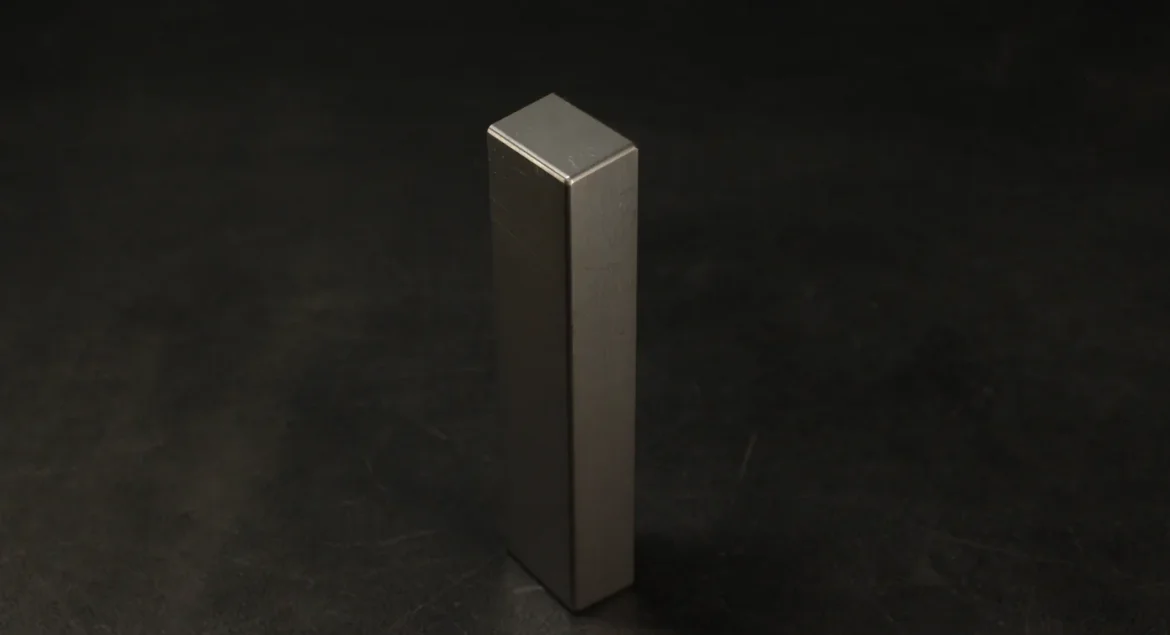
Here is the part that trips people up. Tungsten does not let you buck a rivet with less weight. Two pounds is two pounds. What tungsten does is pack those two pounds into a bar a little over a third the size of the steel one, because tungsten alloy carries far more mass in the same space than steel does.
On a bench, in open air, that barely matters. Inside a wing, a control surface, or a fuselage bay, it changes the job. A compact bar reaches rivets a fat steel block cannot get behind, sits flatter against the skin, and does not fight your wrist across a few hundred rivets. That is how a builder runs a small 1.65 pound tungsten bar all day on 3/32 and 1/8 work, where a steel bar of the same weight would simply be too bulky to place cleanly.
So the honest way to read the table above is this: pick your weight by rivet size, then let tungsten decide how small and reachable that weight gets to be.
Can one bucking bar do most of a build?
New builders always ask whether they can get away with a single bar. For a lot of a build, nearly. Spend any time in the Van’s RV community and you will hear the same answer over and over: a bar around 1 by 4 by 5/8 inch in the 1.5 pound range handles the large majority of the rivets on a typical airframe. Our closest match to that workhorse is the ETBB01, a 4 by 1 by 0.625 inch straight bar at 1.65 pounds.
Where one bar stops being enough is access and the size extremes. Flanges, corners, and box structure need a shape that reaches, not just a weight. The largest rivets in stiff structure need real mass. That is where a small set beats a single bar.
Let the rivet and the location choose the bar
If you would rather not eyeball it, the Bucking Bar Selector takes your work area and rivet size to a specific bar in about a minute, and the size and weight chart lists every bar by dimension, weight, and shape if you already know roughly what you are after. Rivet size for the weight, access for the shape: those two calls cover almost every pick.
Common questions
How heavy should a bucking bar be for 3/32 inch rivets?
About 2 pounds is the traditional starting point, and plenty of builders run lighter, closer to 1 to 1.5 pounds, in thin aluminum with good access. Heavier is not automatically better once the bar gets hard to hold flat.
What is the difference between AN470 and AN426 rivets?
AN470 is a universal (protruding) head used on structure and interiors. AN426 is a 100 degree countersunk (flush) head used on exterior skins where airflow matters. They share the same shank sizing, so the same weight guidance applies to each at a given diameter.
Does a tungsten bucking bar let me use less weight?
No. Bucking weight is bucking weight, whatever the bar is made of. Tungsten gives you the weight you need in a much smaller bar, easier to place in tight spots and less tiring over a long session. It is not a way to buck with less mass.
Can one bucking bar handle a whole airplane?
For most of it, a compact bar around 1.5 pounds does the large majority of rivets. You will still want a shape that reaches into flanges and corners, and more mass for the largest rivets in stiff structure.