How many tungsten bucking bars does a sheet metal shop or MRO line actually need on the bench? Most shops land on four: one mid-weight straight bar for open panel and skin work, plus a low-profile, an offset, and a hook bar for the returns, flanges, and framed access a straight bar cannot reach. That is the starting set. The weight inside each shape depends on whether the work is thin restoration gauge or mixed MRO structure, and getting that range wrong is the most common standardization mistake shops make.
A kit for one project is not the same as a standard for a shop
USA Tungsten’s kit page is built for a single build or repair: pick a starter set, adjust the bars, done. Standardizing a shop is a different problem. You are not equipping one bench for one project, you are deciding what every mechanic on the line reaches for, what gets written into the work instructions, and what the shop keeps in stock so nobody is waiting on a part number they do not have yet.
That distinction matters for two reasons. First, training. A new hire learns four bars and four uses instead of guessing between a dozen options that were never formally chosen. Second, procurement. A standard set means a fixed, repeatable order instead of ad hoc requests every time a job calls for something new.
The four-bar core most shops standardize on
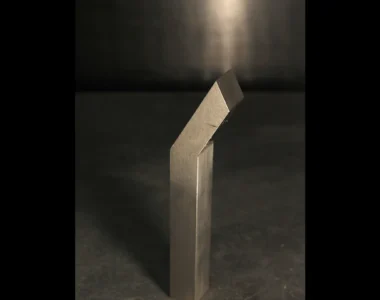
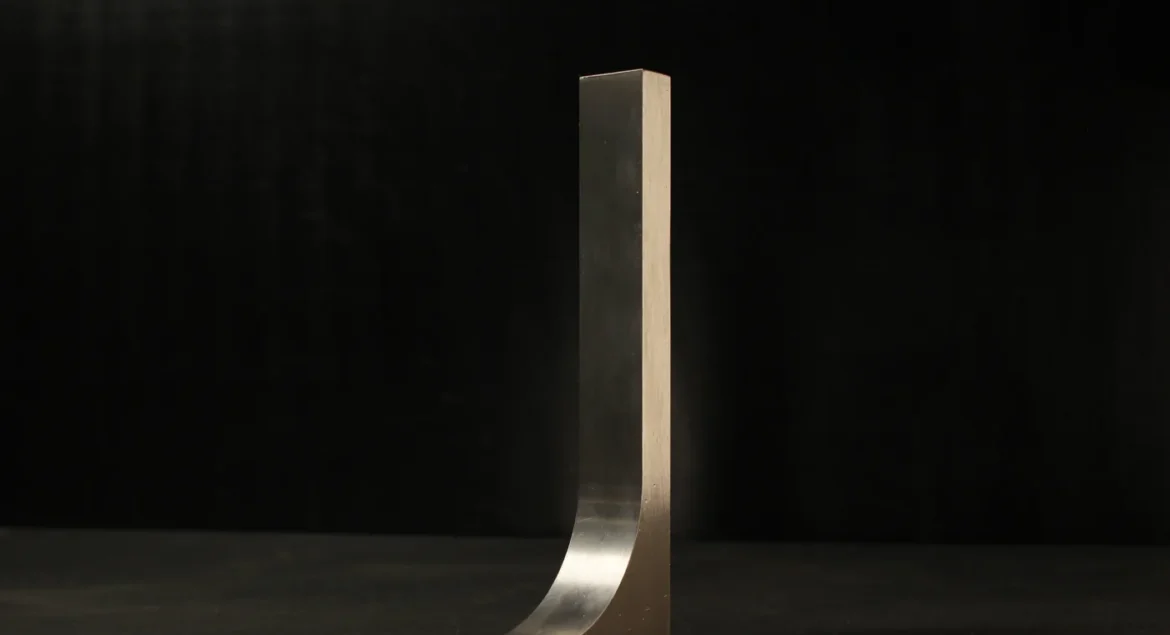
Across both sheet metal restoration work and aircraft MRO, the same four shapes keep showing up as the practical minimum: a mid-weight straight bar for flat panels and open skins, a low-profile bar for flush and countersunk joints where a thick bar will not seat flat, an offset bar to clear stiffeners and stringers, and a hook bar to reach past a frame or channel without springing it. USA Tungsten’s own suggested sets echo this. The MRO field set pairs a mid-weight general bar with offset, hook, and low-profile bars specifically for confined and around-the-corner repairs, and the restoration set pairs a straight bar with a low-profile bar for panels and inner-panel returns. A shop standard usually just formalizes that combination and fixes the weight class for its own work.
Matching weight to the work: sheet metal gauge versus MRO structure
The shape list is close to identical between a sheet metal shop and an MRO line. The weight range is not, because the two are backing different material.
Thin restoration gauge, the 18 to 22 gauge steel or aluminum common in panel, floor, and patch work, is where bar weight matters most. Too heavy a bar bounces the sheet instead of holding it still; too light and the mechanic drives the shank instead of setting the head. A lighter to mid-weight bar in the 1.5 to 2.5 lb range covers most of that work, stepping heavier only for sill plates, subframes, or chassis repairs where the material is thicker.
MRO structure runs heavier and less uniform. Line shops doing quick skin repairs on the ramp can work from a mid-weight straight bar plus a low-profile bar for flush joints. Base maintenance shops doing structural patches need the full four-bar set to reach around frames and stringers on the interior, and wheel-well or landing-gear work often calls for a compact heavy bar that still clears a tight bay where a longer bar would not fit.
| Standard set | Typical weight range | Core shapes | Best for |
|---|---|---|---|
| Sheet metal shop set | 1.5 to 2.5 lb, heavier for chassis work | Straight, low-profile, angled | Panels, floors, patch repairs in thin gauge steel and aluminum |
| MRO line set | 2 to 3 lb, plus a heavy bar for landing gear structure | Straight, low-profile, offset, hook | Field rivet replacement and structural patches in confined access |
Use the Selector to match a specific rivet size to a bar weight before locking in a shop standard. Guessing the weight class from a general rule costs more in rework than the few minutes the tool takes.
How many of each bar to stock per bench
Shape and weight answer what to standardize on. The next question is how many. A single bench doing general panel or skin work typically holds one straight bar and one low-profile bar, since those two cover the bulk of routine joints. Shared cells, where two or three mechanics rotate through offset and hook work on the same structure, usually get by with one offset and one hook bar per cell rather than one per person, since those shapes see intermittent rather than constant use.
Heavier bars for chassis, sill plate, or landing-gear work do not need to sit at every station. Most shops keep those in a shared tool crib and check them out for the jobs that call for them, since the weight class is used less often but still needs to be on hand when it comes up. Building spares into the count matters too. A bar that is out for a cross-reference check, a buyback trade-in, or simply in another mechanic’s hand on a busy day should not stall a bench, so most standardized sets carry at least one spare straight bar per line rather than exactly one per station.
One material spec across every bar in the set
A standardized set only holds up if every bar in it meets the same material spec, not just the same shape and weight on paper. That matters most for shops working under government or prime contracts, where the tungsten itself has to trace back to a compliant source. USA Tungsten’s bars are made from domestically sourced, DFARS compliant tungsten, so a shop standardizing its bar set is not choosing between “the bar that reaches” and “the bar that clears compliance.” Every shape in the four-bar core is built to the same sourcing standard.
Keeping the standard set stocked at every bench
Deciding on a standard set solves half the problem. The other half is making sure every bench actually has it, without one mechanic hoarding the only hook bar in the shop. USA Tungsten’s Managed Inventory program holds a finished-goods buffer of a shop’s chosen part numbers, sized to forecast, and ships and refills behind every pull. Mechanics release bars against the buffer as the line consumes them, the shop carries no inventory risk on the stock USA Tungsten holds, and the standard set stays in front of every bench instead of living in one toolbox.
For a deeper look at how bar weight is chosen in the first place, the bucking bar weight guide covers the baseline every shop standard should start from before adjusting for gauge or structure.
Common questions
How many bucking bars should a shop standardize on?
Four covers most sheet metal and MRO work: a mid-weight straight bar, a low-profile bar, an offset bar, and a hook bar. Add a heavier bar only if the shop regularly works thick structure like sill plates, subframes, or landing-gear bays.
What is the difference between a bucking bar kit and a standardized shop set?
A kit is chosen for one build or repair and can flex with the job. A shop standard is fixed on purpose so every bench, every mechanic, and every purchase order uses the same part numbers.
What weight bucking bar is right for 18 to 22 gauge sheet metal?
A lighter to mid-weight bar in the 1.5 to 2.5 lb range fits most restoration-gauge panel work. Heavier gauge like sill plates or chassis repairs calls for stepping up in weight.
Can a shop keep a standardized bucking bar set in stock without carrying inventory risk?
Yes. A managed inventory program holds the finished-goods buffer off the shop’s books and ships and refills behind every pull, so the standard set stays stocked without the shop owning the inventory.
Ready to lock in a standard set for your shop or line? Request a quote on a kit or reach out to talk through Managed Inventory for keeping it stocked.