Can you buck rivets by yourself? Yes. Builders do it, though most of them do not hold a bar in one hand and run the gun with the other on every rivet. Solo riveting usually works by swapping the second person for something else: a steel plate, a squeezer, or a fixture. Gun and bar alone is the fourth option and the hardest. EAA’s builder article calls the standard gun method a two-person operation, so the useful question is what your helper would have done on each rivet and what can do that job instead.
What a helper actually does
The person on the bar holds it square against the rivet tail, adds pressure as the rivet sets, and tells the gun operator when to stop. EAA’s article on setting solid rivets says the two need a signal system, and it prints a tapping code for it. Working alone, you lose the signal and gain the trigger. You feel the rivet and control the gun at the same time, which is why a light start matters so much.
Four ways to rivet alone
| Method | What stands in for the helper | Where it fits |
|---|---|---|
| Squeezer | A yoke that squeezes the rivet between two dies | Rivets close enough to an edge for the yoke to reach |
| Back riveting | A steel plate under the factory head | Flat or gently shaped parts that fit on the plate |
| Fixture | A jack and bar rig, or a C-frame holding the gun | Rivets a plate cannot reach |
| Gun and bar | Your off hand and your body weight | Everything left over |
The same EAA article ranks them by control. Its author puts the pneumatic squeezer first, then a hand squeezer, then back riveting, and the gun set against the factory head last, calling the gun “the most demanding of all.” A squeezer has limits you can look up. One catalog lists a 3,000 pound model for 1/8 inch aluminum rivets with a 2-1/2 inch yoke reach, and a 6,000 pound model for 3/16 inch with a 2 inch reach. Measure from the rivet to the nearest edge before you count on one.
Rivet on a plate when the part allows it
In back riveting the roles reverse. The factory head sits on a steel plate, and the gun with a back-rivet set forms the shop head. EAA says this normally suits flush AN426 rivets, and that AN470 universal head rivets work too if you drill a hole in the plate and seat the correct universal head die in it, with the rivet centered on the die. Kitplanes shows a plate set into a workbench top, which it calls an ideal setup for smaller pieces.
Builders on the Van’s Air Force forum report how far it goes. One sank a 3/16 inch steel plate into a build table and back riveted nearly all of an RV tailcone alone, and says the rivets come out flatter. Another warns that slightly curved parts do not sit well on a table. That builder used a C-frame with the gun mounted instead, and found normal bucking came out better on some parts. Treat both as reports and test on scrap before you commit a skin.
Build a fixture when a plate will not reach
When the work will not go on a plate, some builders make a second person out of hardware. One described a platform for a 3 ton hydraulic jack carrying a block and a bucking bar. The routine was to insert a rivet, tape it, position the jack, and fire the gun. It was slow and it worked, one rivet at a time. Another builder points to a Clemson Aeronautics system with a foot pedal that frees both hands. These are one-off setups from a builder thread, so check anything you copy against your plans and the maker’s instructions.
How to buck solo with a gun and a bar
For the rivets that need a gun and a bar, run the job in this order.
- Decide the method for each joint. Use a squeezer or a plate wherever the part allows, and keep gun and bar for the rest.
- Prepare the joint. Drill and deburr the hole, clamp the layers, and check that the rivet tail stands about 1.5 diameters proud of the material, the length EAA gives.
- Tape the rivets in. Kitplanes says many builders hold rivets with riveting tape or blue masking tape, and one Van’s Air Force builder used a spring paper clip while moving the jack. You have no spare hand to hold a rivet.
- Pick a bar you can hold with one hand. Take the weight from the rivet size using the bucking bar weight guide, then favor a compact shape you can keep square without bracing it with your other hand.
- Seat the bar flat on the tail, and press the gun’s set on the factory head so it holds the head tight against the material. Add bar pressure as the rivet sets, as the step-by-step bucking guide describes.
- Start with a few light taps and build from there. EAA says a light start makes the rest easy and warns against overdriving on the first taps. Nobody is signaling you to stop, so stop and look.
- Measure the first shop heads. Aim for at least 1.5 rivet diameters wide and at least half a diameter tall, and adjust the next rivet to match.
- Practice before the real skin. EAA suggests driving 20 rivets a day into scrap for 10 days.
What a one-hand bar needs
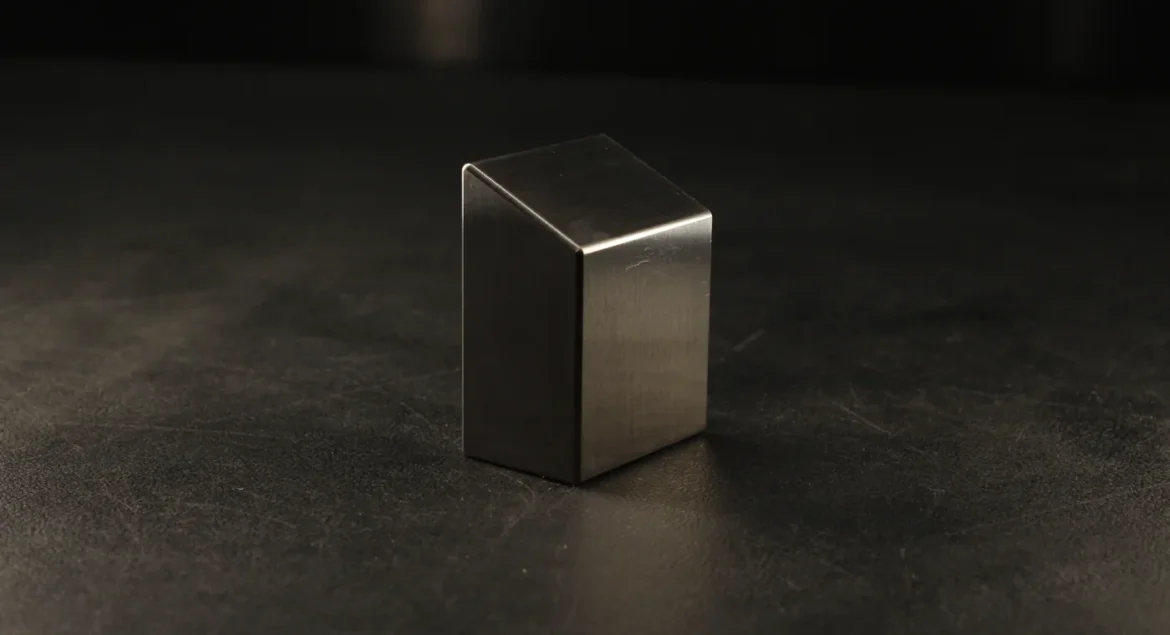
When the other hand is busy, the bar has to stay put by itself. That takes mass in a shape small enough to hold square, which is the job of the heavy alloy that fits real mass into a one hand bar. At the same weight, a tungsten bar takes up about 43 percent of the volume of a steel one, as the tungsten versus steel comparison works out.
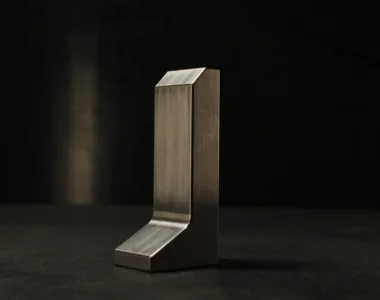
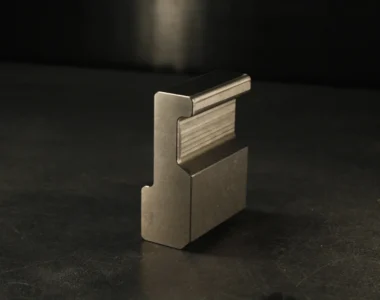
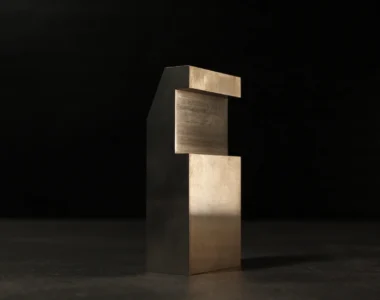
More weight helps a bar stay put until it is heavier than your arm can hold square through a long run of rivets, and a bar too light bounces. The too heavy or too light guide covers both failures. Our RV starter kit is a reasonable place to begin: a 1.5 pound straight bar, a 1.2 pound angled bar, and a 1 pound low-profile bar, 3.7 pounds in total. The experimental and kit aircraft page covers which shapes suit which parts of a build.
Rivets that still need a second person
Solo has limits. One Van’s Air Force builder shot all but about 50 rivets of an RV-4 alone and calls it a non-event once you trust the gun in both hands, which leaves about 50 that went another way. Rivets you cannot reach with both hands while watching the tail are the likeliest to need help. Check your plans before you swap in a different fastener, and borrow a helper for the stubborn few.
Common questions
Can you rivet by yourself?
Yes. Builders use a squeezer, a back-riveting plate, a homemade fixture, or a gun in one hand and a bar in the other. EAA still describes the standard gun method as a two-person job, so solo riveting means replacing the helper with something else.
Is back riveting as good as bucking?
Builders disagree. EAA’s author ranks back riveting above the gun and bar for control, and one forum builder says it sets flatter rivets. Another found normal bucking gave better results on a curved skin. Practice on scrap that matches your part.
What bucking bar is best for solo riveting?
One you can hold square with a single hand. Choose the weight from the rivet diameter, then choose a compact shape for the access. A dense tungsten bar packs the weight into a smaller block than steel does.
How do you hold a rivet in place when working alone?
Many builders tape the rivet in with riveting tape or blue masking tape. One builder used a spring paper clip to keep rivets from falling out while moving a jack.
Can a squeezer replace a bucking bar?
For rivets within the yoke’s reach and rated diameter, yes, and EAA’s author prefers it. Check the squeezer’s rated rivet size and yoke reach against your rivet and its distance from the edge.
Ready to pick a bar for solo work? Use the Selector or request a quote on a kit.