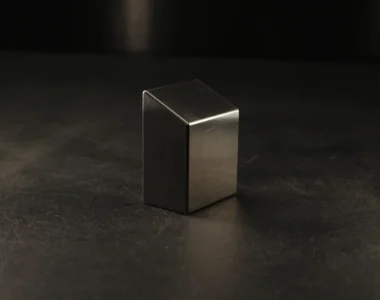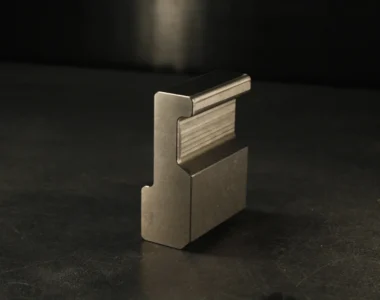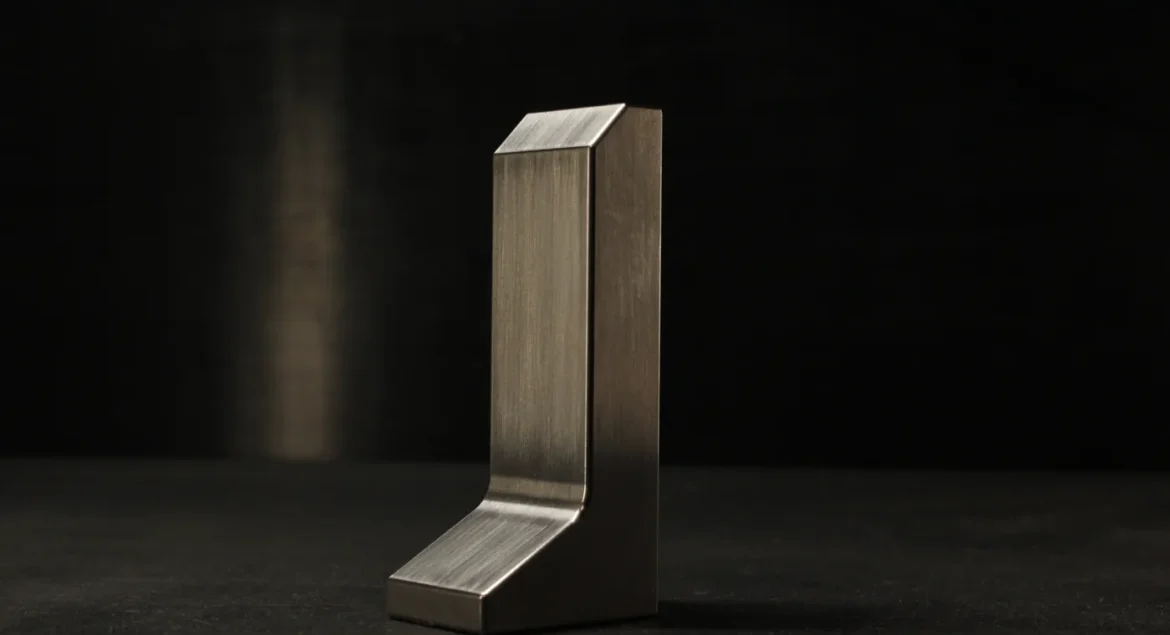
What bucking bars does an aircraft maintenance shop need? A short set covers most of the work: a mid-weight straight bar for open skin, a low-profile bar for flush joints, and offset and hook bars for rivets behind frames and stringers. What changes between line, base, and depot work is how much of that set each station needs, how heavy the bars get, and what goes on the purchase order so the same bars are on the shelf next year.
What changes from line to depot
Line maintenance is quick skin repair and rivet replacement on the ramp, which a mid-weight straight bar and a low-profile bar handle. Base maintenance adds structural patches, and that is where offset and hook bars earn their place, because the rivet sits inside a frame bay with a stringer in the way. Our MRO page lays out both.
Depot work goes further. Federal law defines depot-level maintenance and repair as work that requires overhaul, upgrading, or rebuilding of parts, assemblies, or subassemblies. When structure is opened up that far, access usually improves, and heavier open-access bars become practical for large rivets in thick material.
| Level | Typical work | Bars to stock |
|---|---|---|
| Line | Skin repairs and rivet replacement on the ramp | Mid-weight straight bar and a low-profile bar |
| Base | Structural patches around frames and stringers | Add an offset bar and a hook bar |
| Depot | Overhaul and rebuild with structure opened up | A full set at each station, plus heavy bars for large rivets |
Buy to your repair list, not a generic kit
Start with the rivet sizes you actually replace, which your structural repair manual tells you, and the access problems you hit most. Weight follows rivet diameter, and the bucking bar weight guide and the Selector turn that into a bar. Shape follows access, which is the subject of our guides to shapes for tight spaces and offset bars.
If you want a starting point, our MRO field set is four bars totaling 9.95 pounds: ETBB31 and ETBB20 low-profile bars, an ETBB07 offset, and an ETBB23 hook. It is built for confined and around-the-corner repairs across mixed maintenance work. If your crib already holds Aircraft Tool Supply tungsten bars, the cross-reference maps each ATS part number to the closest USA Tungsten bar by size and shape. For setting up the same bars at every bench, see standardizing a bucking bar set.
What to put on the purchase order
Order by part number, so the replacement matches the bar that wore out. There is no cart and no list price: you request a quote on any bar or kit, and the reply confirms pricing, availability, and lead time. Most standard bars ship from stock. If a bar is not in stock, standard lead time is 10 to 12 weeks, which is the reason to buy spares of your most-used shape before you need them. A bar made to your drawing for a recurring task is a custom order, quoted with a confirmed lead time.
Sourcing belongs on the order too. DFARS 252.225-7052 restricts tungsten heavy alloy that was mined, refined, separated, melted, or produced in China, Iran, North Korea, or Russia. Our sister company, Tungsten Parts Wyoming, makes tungsten components in Laramie, Wyoming, and confirms DFARS 252.225-7052 sourcing compliance for your specific program and part. If your contract flows the clause down, ask for DFARS compliant tungsten sourced in the US when you request the quote.
Keeping the crib stocked and recovering worn bars
A depot that pulls bars all year does not want to wait 10 weeks for a replacement. Under our Managed Inventory program, we hold a finished-goods buffer of your part numbers sized to your forecast, your mechanics release bars as the line uses them, and we refill behind every pull. You carry no inventory risk on the stock we hold.
Worn bars still hold their tungsten. Our buyback program weighs returned bars and credits the weight toward your next order. If you would rather sell than take credit, tungstenbuyers.com buys heavy alloy scrap outright.
Common questions
What bucking bars does an aircraft maintenance shop need?
A mid-weight straight bar, a low-profile bar, an offset bar, and a hook bar cover most field rivet replacement and structural patching. Add a heavier bar for large rivets in thick structure.
What is the difference between line, base, and depot maintenance for bucking bars?
Line work is quick repairs on the ramp and needs a straight bar and a low-profile bar. Base work adds structural patches and calls for offset and hook bars. Depot-level work, which federal law defines as overhaul, upgrading, or rebuilding of parts and assemblies, usually needs a full set at each station plus heavy bars.
How long does it take to get bucking bars?
Most standard bars ship from stock. If a bar is not in stock, standard lead time is 10 to 12 weeks, and custom bars ship on a lead time confirmed with your quote. Managed Inventory removes the wait for the part numbers you use most.
Can bucking bars be supplied as a fixed set for a repair station?
Yes. Repair stations that standardize on a defined set, or need a bar made to a specific drawing for a recurring task, can request a quote with the specification.
Can you confirm DFARS 252.225-7052 sourcing for a program?
Tungsten Parts Wyoming confirms DFARS 252.225-7052 sourcing compliance for your specific program and part. Ask when you request the quote.
Ready to build a set for your shop or line? Request a quote and include the rivet sizes, access problems, and any sourcing requirements.