What does a steel to tungsten bucking bar cross reference actually convert? Not weight. A rivet only cares about bucking mass, and a 3 lb bar backs a rivet the same way whether it is steel or tungsten. What changes is size. Tungsten heavy alloy runs 2.2 to 2.4 times denser than steel, so the same weight of bucking mass packs into roughly 43 percent of the volume. Keep the weight you already know you need, and the bar gets smaller, not lighter.
That is the whole cross reference in one idea: match weight, not size, then let the size take care of itself. Here is what that looks like with real numbers, and how to use it if you are replacing a specific steel bar rather than starting from a weight class.
Weight is the constant, size is the variable
A bucking bar works by inertia. The gun drives the rivet, the bar’s mass reacts the blow, and the shank upsets into a shop head. None of that cares what the bar is made of. A 3 lb steel bar and a 3 lb tungsten bar deliver the same bucking mass to the same rivet, every time.
What differs is how much material it takes to get to that weight. Steel runs about 7.85 grams per cubic centimeter. Tungsten heavy alloy runs about 17 to 18.5 g/cc, 2.2 to 2.4 times denser. So a steel bar built to a given weight needs about 2.3 times the volume of a tungsten bar at that same weight. Flip it around: swap a steel bar for tungsten at the same weight, and the block shrinks to roughly 43 percent of its old volume.
A real bar, worked out
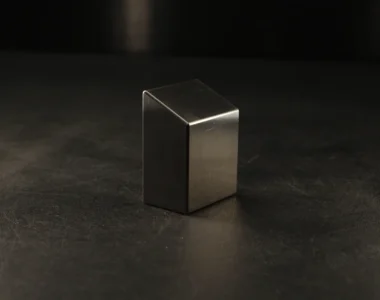
Our ETBB01 is 4 x 1 x 0.625 inches and weighs 1.65 lb, a straight bar with a 2.5 cubic inch body. A steel bar carrying that same 1.65 lb of bucking mass needs roughly 5.8 cubic inches to get there, about 2.3 times the block for the identical rivet-backing weight. On the bench that difference does not matter much. Inside a wing rib or behind a spar flange, it is the difference between a bar that sits flat on the rivet and one that cannot get in far enough to try.
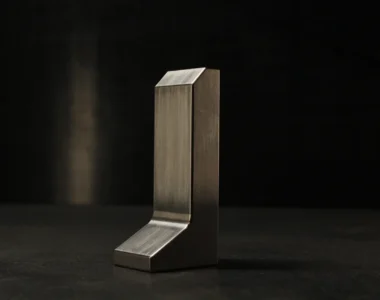
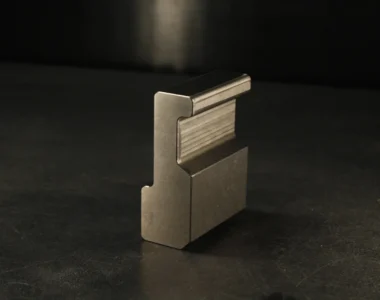
The same ratio holds at every weight class. A steel bar sized for 7 lb of bucking mass is a noticeably larger block than a 7 lb tungsten bar like our ETBB09, and a steel bar built for 8 lb plus, the range of our ETBB33 hook bar, gets heavy to maneuver in exactly the shape that needs the most maneuvering. The heavier the job, the more the size difference works in your favor.
| Weight class | Example bar | Weight | Tungsten volume | Steel at the same weight |
|---|---|---|---|---|
| Light | ETBB43 | 0.7 lb | 1.2 cu in | about 2.8 cu in |
| Medium | ETBB01 | 1.65 lb | 2.5 cu in | about 5.8 cu in |
| Extra-heavy | ETBB08 | 6.0 lb | 13.5 cu in | about 31.1 cu in |
| Extra-heavy | ETBB33 | 8.25 lb | 30.25 cu in | about 69.6 cu in |
The steel column is not a real product, it is the same weight of steel worked out at the 2.3 to 1 density ratio, so you can see what your familiar weight class would look like in the other material. Notice the gap grows with weight. At 0.7 lb the difference is a few cubic inches, easy to shrug off. At 8 lb it is the difference between a bar you can choke up on with two fingers and a block you need both hands to keep flat.
How to cross reference your own steel bar
If you already know the weight you need, you are done. Pick a tungsten bar at that weight and you have matched the bucking mass exactly. Our weight guide and Bucking Bar Selector both work from rivet size and access to get you to a weight class directly.
If instead you are holding a specific steel bar and want its tungsten equivalent by part number rather than by weight, that is a different lookup. Our ATS and competitor cross-reference maps common steel bucking bar part numbers to the closest USA Tungsten bar by published size and shape, so you can match a bar you already own without weighing it first.
Either path lands in the same place. Match the weight and the density does the rest of the work for you.
One instinct worth heading off: do not try to drop the weight along with the size. A lighter bar in any material backs less rivet, full stop, and a rivet that calls for 3 lb of bucking mass does not get that mass from a 2 lb tungsten bar just because tungsten is dense. Density buys you a smaller package at the weight you need. It does not lower the weight you need.
If you do not know your steel bar’s weight
Most shop steel does not come stamped with a weight, so the fastest way to cross reference an old bar is to weigh it. A kitchen scale or postal scale handles anything under a few pounds. For a bar too big for that, a bathroom scale and the subtract-your-own-weight trick, hold the bar and step on the scale, then step on again without it, gets you close enough. You do not need precision to the tenth of a pound. Bucking bar weight classes are wide on purpose, and landing within a few ounces of the original is enough to match the bucking mass.
If the bar came from a known manufacturer with a part number stamped or etched into it, skip the scale and go straight to the cross-reference tool instead. A part number match is exact. A weighed match is close enough for the job.
Where the size difference actually pays off
Three places the volume difference matters more than the number suggests:
In confined structure, wing ribs, spar flanges, box sections, you usually get one working angle for the bar. A smaller block at the same weight is more likely to reach the rivet flat instead of at an angle, which is where tipped heads and marked skins start. Overhead and one-handed work sees the same benefit from a different direction: the weight you are holding does not change, but a compact block is easier to keep square when you cannot see what you are doing and cannot brace against anything.
Over a long session, a bar that is easier to grip and position reduces fatigue even at the same working weight, which is the real reason most homebuilders and shops move to tungsten rather than any claim about reduced bucking force. And once you are carrying three or four bars across a full build, the total bulk in the tool bag adds up. Matching weight to tungsten instead of steel keeps every bar in the set to roughly 43 percent of its steel footprint, not only the biggest one.
Common questions
Is a tungsten bucking bar lighter than a steel one for the same job?
No. The weight is the same because the bucking mass has to be the same. What changes is the size, tungsten packs the same weight into about 43 percent of the volume a steel bar needs.
How do I convert a steel bar weight to a tungsten equivalent?
You do not convert the weight at all. Pick a tungsten bar at the same weight as the steel bar you are replacing and the bucking mass matches exactly. Only the physical size changes.
Why is a tungsten bar so much smaller than steel at the same weight?
Tungsten heavy alloy runs 2.2 to 2.4 times denser than steel, per published tungsten density figures. The same weight of material simply takes up less room.
How do I find the tungsten equivalent of a specific steel bar I already own?
If you know the part number, our cross-reference tool maps common steel bar part numbers to the closest USA Tungsten bar by size and shape. If you only know the weight, any tungsten bar at that same weight is an exact bucking-mass match.
Does a smaller tungsten bar buck harder than a larger steel bar?
No, not unless it weighs more. Bucking force comes from weight, not material. A smaller tungsten bar only outperforms a larger steel bar in access, control, and fatigue, not in raw bucking mass.