Why do rivets get smiley marks? A smiley is a crescent shaped dent in the skin next to the manufactured head, and it comes from the rivet set slipping off center and striking the surface while the gun is firing. That is the classic case, but it is not the only mark a rivet can pick up. Some marks come from the gun side of the joint, some come from the bucking bar side, and knowing which is which is most of the fix.
None of these marks are FAA terminology. They are shop names for real, repeatable defects, and every one of them traces back to something not sitting square or something not sitting still.
Smileys and eyebrows: the gun side
A smiley happens when the rivet set is not centered on the manufactured head when the gun fires, so the edge of the set rides up onto the skin and dents it in a shallow crescent. Some builders call the same mark an eyebrow, especially when it sits above the head rather than beside it. Either name, the cause is the same: the set moved off the head during the burst.
The fix lives entirely on the gun side. Seat the set on the head before you call ready, not after the gun starts firing. Keep the set square to the rivet, not tilted into the work. And drive in short controlled bursts rather than one long pull, because a set that starts centered can still walk during a long burst if the operator is fighting the recoil the whole time. Our step by step bucking guide covers the full driving sequence, including how to tell whether a marked rivet needs to be drilled out or left alone once it happens.
The mark you did not expect: the bucking bar side
Every bit of attention in most riveting guides goes to the gun side, which leaves half the joint unexamined. The bucking bar touches the tail with the same force the gun delivers to the head, and a bar that is not doing its job cleanly leaves its own marks, just on the back of the skin instead of the front.
Two bar-side habits cause most of the marking that gets blamed on the gun instead:
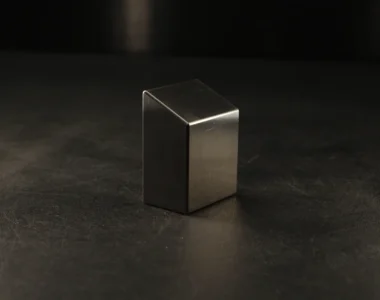
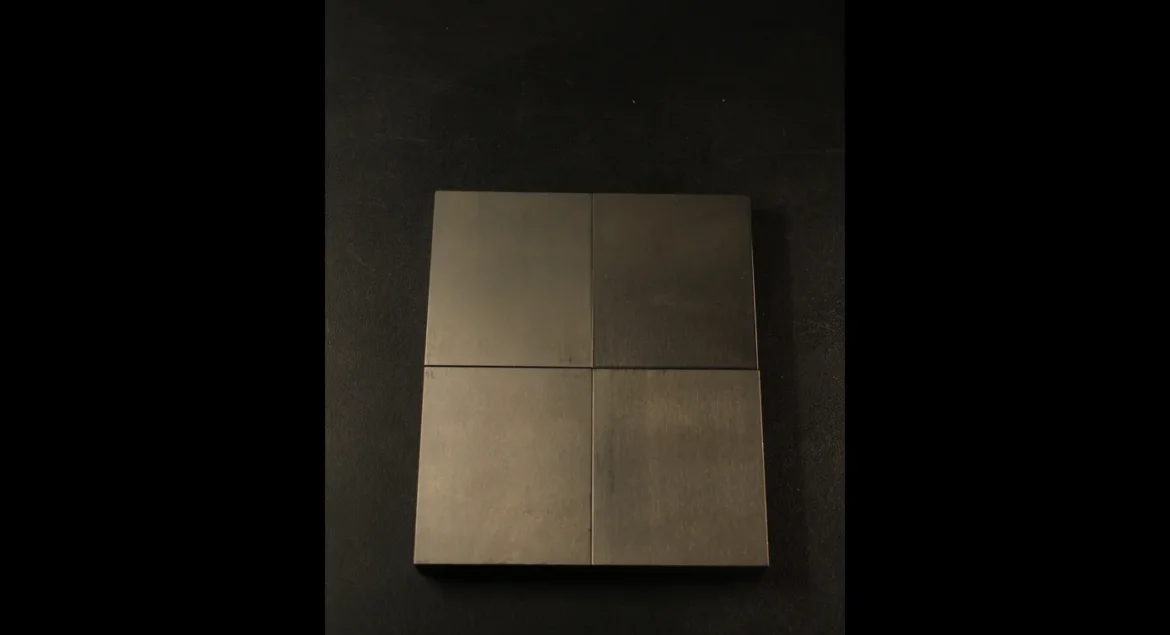
A worn or nicked working face transfers straight onto the metal. Every burst presses that face against the rivet tail and the surrounding skin, so a pit, a gouge, or built up debris on the bar face prints into the work every single time. Checking a face takes seconds and is easy to skip: run a fingertip across it and feel for a snag, or catch the light across the surface and look for a spot that does not reflect evenly. Aluminum shavings and dirt build up in use too, so a quick wipe before a rivet line is cheap insurance. This is why a bucking bar’s working face matters as much as its weight. Ours ship precision ground and stay that way with basic care, covered in our care and handling guide.
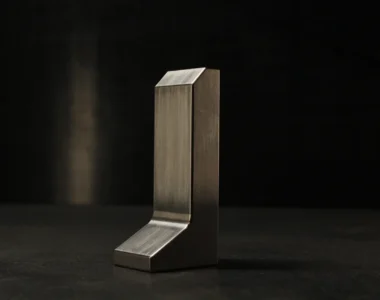
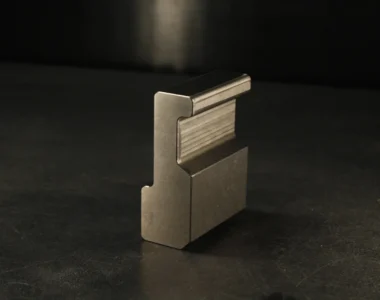
A bar that cannot sit flat on the tail marks the skin from the edge instead of the face. If the bar shape does not match the access, a straight bar forced into a spot that needs an angled or offset face, the bucker ends up resting the bar at a tilt just to make contact at all. The edge of the bar becomes the first thing that touches the work, and an edge concentrates the same force a flat face would have spread out. The shapes guide and the bar selection guide both start from access for exactly this reason.
Other marks worth naming
Smileys and eyebrows are the most talked about, but two other marks show up often enough to name.
An elongated dent instead of a round one usually means the gun or the bar moved sideways during the burst rather than staying planted in one spot. It can come from either end of the rivet, whichever hand is not holding steady, and it shows up most on longer bursts where there is more time for something to drift. Short bursts and a solid stance fix most of it.
A shallow dish or ripple in the skin around several rivets, rather than a mark on one rivet, usually means too much bar pressure across a run, pressing the panel rather than backing the individual rivet. Firm contact is correct. Leaning into the bar with your body weight is not, and it is one of the more common habits new builders bring from other trades, where more pressure usually does mean a better result. Riveting is closer to the opposite: the bar needs to be there and steady, not pushed.
Why density helps here too
A denser bar reaches full bucking mass with less bar to move and less bounce to control. Tungsten heavy alloy carries that mass in a smaller, more stable block than steel, and a bar that sits still is a bar that does not walk off the rivet mid burst. That stability is why tungsten’s density gives you cleaner backing mass, and it is a quieter benefit than the size argument, but a real one for anyone chasing clean heads over a long rivet line.
Common questions
What causes smiley marks on rivets?
The rivet set slipping off center and striking the skin while the gun is firing. Seating the set squarely on the head before driving and using short controlled bursts prevents most of it.
Is a smiley rivet the same as an eyebrow rivet?
Yes, in most shops. Both names describe the same crescent shaped dent from a gun set that rode up onto the skin, with eyebrow sometimes used when the mark sits above the head rather than beside it.
Do I need to drill out a rivet with a smiley mark?
Not automatically. If the shop head itself still measures in tolerance, a shallow cosmetic mark next to it is usually not a reason to drill the rivet out, and doing so over a cosmetic mark alone can leave you worse off. See our bucking guide for the full distinction between cosmetic and structural defects.
Can a bucking bar cause marks too, not just the rivet gun?
Yes. A nicked or worn bar face transfers its own texture onto the work, and a bar shape that does not fit the access forces an edge-first hold that marks the skin from the back side instead of the front.
How do I stop rivets from getting marked?
Seat the gun set square before driving, use short bursts, keep the bucking bar face clean and undamaged, and match the bar shape to the access so you are never forced to hold it at an angle.
Does a smiley mark weaken the rivet?
Not by itself. A cosmetic mark beside a shop head that measures in tolerance has not lost bucking strength. The concern is structural, a leaning head, a cracked head, or a loose joint, not a shallow surface dent on its own.
How do I check if my bucking bar face is causing the marks?
Run a fingertip across the working face and feel for a snag, or angle it to the light and look for a spot that does not reflect evenly. Wipe off aluminum shavings and dirt before a rivet line, since debris on the face prints into the work the same way a nick does.